Bug Evolution spawning determines your first impression of each server, because your entry point sets the Bug Evolution camera view and the initial Bug Evolution HUD layout you can use. Watch the movement indicator and threat warnings before advancing, since identifying an aggressive bug early can prevent a Bug Evolution bite from draining your progress. Understanding the spawn pattern also gives you cleaner routes to your first upgrade and a stronger position on the Bug Evolution leaderboard.
Bug Evolution Spawning and the First Seconds After Hatching
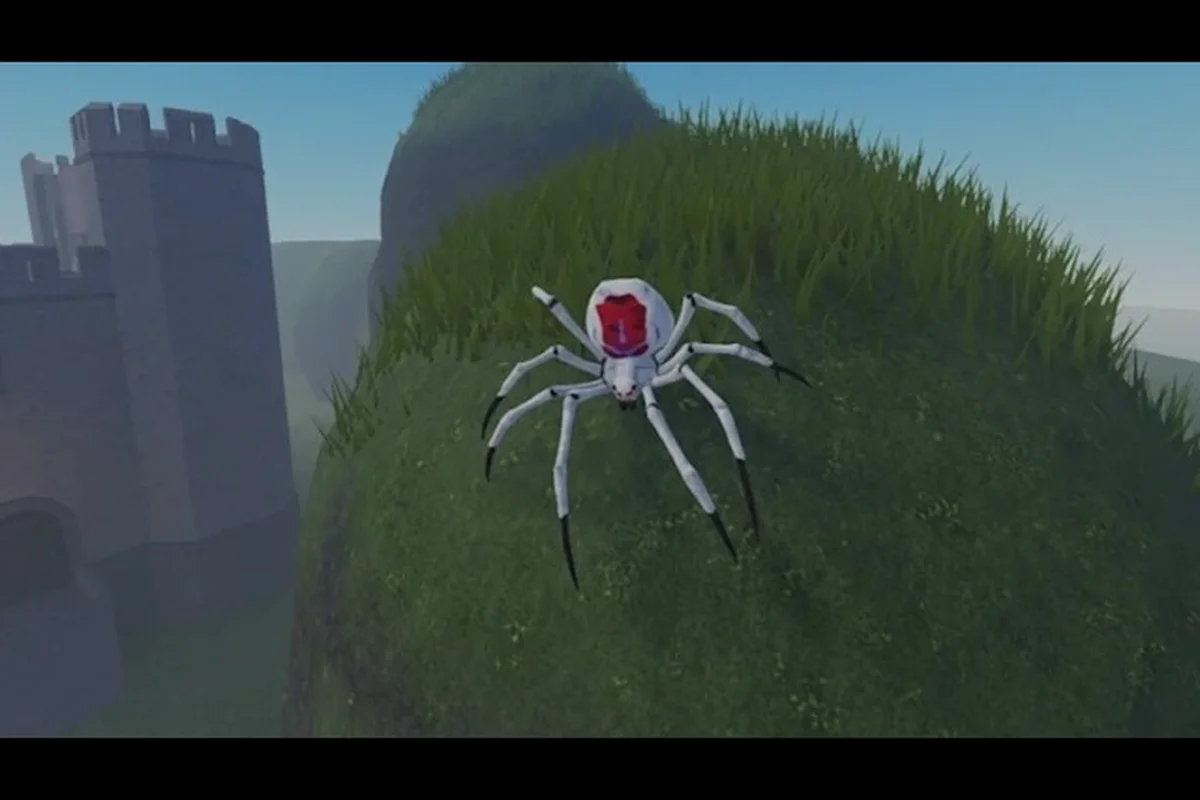
Bug Evolution spawning places a new player near the starter grass fields, where small food is plentiful. That opening location matters because your first priority is growth rather than combat. Each bite of food raises growth progress, while a larger body unlocks access to bigger prey and gives you more reach in a confrontation.
The game’s current server structure adds another layer to the opening. Up to 15 players share a map and lobby, so a quiet-looking field can still contain someone slightly larger who is already hunting. Community data reports that servers often include both early and advanced insects, making it sensible to eat before searching for a fight.
| Spawn situation | Immediate priority | Main risk | Better response |
|---|---|---|---|
| Empty starter field | Collect small food | A larger insect arrives late | Keep moving toward another food cluster |
| Food visible near other players | Circle the area | Contest over food | Approach from a different angle |
| Strong player near spawn | Grow quietly | Early elimination | Use hills and vegetation as cover |
| Clear field after a fight | Secure nearby food | Opponent returns | Change location before eating |
Read the opening rather than chasing the first fight
The safest opening is usually food-first movement. Spend the first moments collecting several small meals, then use the resulting growth to gain a little extra reach and durability. A larger insect has more options: it can ignore weak prey, take safer routes, or challenge a rival. A smaller insect has fewer, so preserving that growth matters.
Keep your movement irregular when another player enters the same area. A direct line makes your destination easy to predict, especially near a food source that both players can see. A curved approach can delay the moment when another insect realizes you are competing for the same meal.
Know what respawn returns
A death returns you to the starter area at your current evolved form. The exact growth penalty after death has not been documented, so it is safest not to promise that you keep every point or item. Treat respawn as a recovery phase: collect ordinary food, rebuild momentum, and avoid immediately returning to the place where you were eliminated.
| Post-death priority | Reason | Practical rule |
|---|---|---|
| Eat small food first | Rebuilds growth without exposing you to major combat | Skip crowded food when possible |
| Stay near starter fields | Familiar terrain reduces travel risk | Learn the nearest escape routes |
| Watch the map briefly | The eliminated player may still be nearby | Delay re-entering the fight zone |
| Improve core stats | Better damage and stamina improve the next attempt | Purchase only affordable early ranks |
Bug Evolution Camera Techniques for Spotting Danger
Camera awareness is most useful when you separate what your insect sees from what the player controls. Movement is ground-based for spiders and early insects, while flying forms such as flies and moths use the same maps with different stamina demands. A camera angle that exposes your position may help you detect a rival, but it can also reveal you.
The practical goal is not to watch every part of the map at once. Instead, create a repeatable scanning rhythm: check the horizon while traveling, inspect nearby grass before eating, and glance behind you after crossing open ground. This habit becomes more important when stamina is low because slow turns can leave you exposed.
Camera position around food clusters
Use the camera to inspect the perimeter of a food cluster before you commit to it. Look for movement near the edges, not just at the food itself. Insects can blend into grass and hills, and a player focused on eating may not announce their approach.
| Camera check | What to inspect | Action |
|---|---|---|
| Wide horizon | Movement or a silhouette beyond the food | Delay entry and choose another cluster |
| Nearby grass | Partially hidden insect | Move toward open sightlines |
| Rear view | Chaser approaching your back | Break line of sight before feeding |
| Ground near your body | Immediate bite threat | Turn and use a defensive route |
| Elevated view | Safe exit and nearby cover | Descend only after confirming the route |
A rear check is especially important after eating because eating requires attention and can briefly slow a player’s reaction. If the HUD shows a nearby rival or the camera catches movement behind you, treat the food as optional. Early growth is replaceable; losing it can erase several minutes of careful collection.
Flying forms and wider awareness
Flying forms can see over some obstacles, yet their advantage is not unlimited. Some flying insects lose stamina faster during sustained movement, so they may identify threats that they cannot chase for long. The camera should help you decide whether to pursue or preserve stamina.
Watch the route rather than only the target. A straight flight across an exposed field may be faster, but it also makes your movement predictable. If another player is below you, keep enough distance to turn before committing. The mobile controls and interface guide can help players adapt these camera checks to touch input.
Bug Evolution HUD Signals and What They Reveal
The Bug Evolution HUD provides the most immediate information about your size, growth, coins, and combat readiness. The coin counter appears as a gold bar, while the key stats are Speed, Health, Bite Damage, Bite Speed, and Stamina. Each stat affects a different part of survival, so reading the HUD before a confrontation can prevent a bad matchup.
| HUD element or stat | Practical meaning | Spawning-related use |
|---|---|---|
| Gold coin bar | Current coin balance | Shows whether an upgrade can be bought after a successful collection run |
| Speed | Movement capability | Helps decide whether to chase, evade, or relocate |
| Health | Survive incoming damage | Shows the cost of forcing a fight |
| Bite Damage | Damage per bite | Helps compare strength against another insect |
| Bite Speed | Rate of attacking | Supports rapid exchanges when reach is similar |
| Stamina | Endurance for movement | Indicates whether an escape route is sustainable |
Read your stats in context
A high Bite Damage value does not guarantee a safe encounter. If the rival is faster, your Health is low, or your stamina is already depleted, chasing can become a mistake. Conversely, a smaller insect with balanced Speed, Health, and Bite Speed may avoid trouble more effectively than a glass cannon.
The Bite Speed stat deserves special attention because it affects how quickly repeated attacks can land. If your damage is low, attacking quickly may not produce a decisive result before the opponent escapes. If your Health is low, however, a fast bite can help finish before taking another dangerous hit.
Use the HUD after respawning
After a respawn, check your current form and available resources before moving. The HUD can reveal whether your health or stamina has changed enough that your previous route is no longer practical. It also helps you decide whether to spend coins immediately or save them for a larger prey encounter.
Coins come from eating, defeating other creatures, and surviving in the server. The store typically offers upgrades for the current insect, including damage, health, speed, and growth-related perks. Early ranks of Bite Damage and Stamina are often the best-value purchases because they are cheaper than the final ranks.
Bug Evolution Biting: Avoid Early Combat Traps
Biting is the core growth action and the basic weapon in every confrontation. Food consumes a bite to raise growth progress, while another insect uses the same action offensively. This overlap makes combat discipline important: after winning a fight, keep enough control to collect food before pushing into another player.
A good hunter evaluates reach, health, speed, and stamina before committing. If a target is larger but weak, a chase may be worth it. If the target has high Speed and healthy Health, the potential reward may not justify the damage you are likely to take.
The pre-bite decision check
Treat this as a pre-bite decision check rather than a mandatory confrontation. A bug that looks harmless can still punish a careless lunge: evaluate the opponent’s size, speed, health, nearby food drops, and the surrounding region before committing to bug evolution biting. If the target is too strong, too fast, or backed by a group, disengage and preserve stamina; waiting for a better opening is often safer than forcing a chase.
-
Can you reach the target before it reaches you?
-
Can you survive two or three incoming bites?
-
Do you have enough stamina to chase or disengage?
-
Will the target’s food drop or region make the pursuit worthwhile?
| Opponent profile | Recommended approach | Reason |
|---|---|---|
| Smaller, slow, low health | Chase and bite | Reach and durability favor you |
| Similar size and build | Contest cautiously | Either player may win with clean positioning |
| Larger but low health | Circle and strike | Avoid frontal pressure while it is fresh |
| Small and very fast | Ignore or ambush | Chasing wastes stamina |
| Nearby group | Avoid an open fight | Numbers can reverse the advantage |
Bite spacing and recovery
After landing a bite, create space rather than remaining within the opponent’s reach. Some insects may recover or reposition faster than expected, and a single successful hit does not guarantee the fight is over. A short retreat can protect your stamina and make the next bite safer.
The camera also affects biting because you must judge distance rather than rely on your insect’s apparent size. A target can appear close while still being outside your effective reach. Approach at an angle, wait for the body to enter range, and avoid relying on the model overlapping another insect.
Food after a kill
A defeated creature may offer more value than ordinary field food, but the surrounding area becomes dangerous after the fight. Other players may have heard the struggle or seen the result. Collect only what is nearby, then move before lingering. The map and respawn locations overview can help you connect distant food sources with safer travel routes.
Bug Evolution Leaderboard Signals and Server Pressure
The Bug Evolution leaderboard matters because each server can host up to 15 players competing in the same world. The leaderboard gives you context about who is strong, although it does not reveal every location or guarantee who controls a particular area. Use it as a warning system rather than a target list.
A player far above the others may be farming efficiently or hunting constantly. Their position may remain unknown, but a sudden change in the server’s contest level can encourage you to select safer food routes. The same is true when multiple players appear to be progressing quickly: open ground becomes more dangerous.
| Leaderboard or server signal | Likely interpretation | Best response |
|---|---|---|
| One player far ahead | Strong hunter or efficient farmer | Avoid open routes near high-value food |
| Several players close together | Active contest zone | Gather food in a quieter region |
| Small players overtaking others | Unpredictable spawn pressure | Check the camera more frequently |
| Quiet server period | Lower immediate competition | Save a short route for escaping |
| Crown-focused competition | Players are contesting status | Avoid turning every encounter into a fight |
Crown pressure and personal goals
King of the Server makes the leaderboard directly relevant because every spawn adds another possible competitor. However, chasing status can interfere with steady development. A player who repeatedly challenges stronger insects may earn attention without earning enough food to survive the next encounter.
Balance leaderboard goals with growth stability. Collect a dependable food supply, improve one or two stats, and then decide whether a nearby fight offers a worthwhile advantage. The early-game progression guide can help with that order of operations.
Group presence
The game supports playing with friends and sharing a private server with up to 15 players. A group can gather food faster and handle larger threats, but every teammate also becomes a potential source of noise and attention. Keep roles clear: one player can watch approaches while others collect, and the group should avoid pulling several opponents into the same field.
Practical Bug Evolution Respawn and Recovery Routine
A reliable respawn routine turns death into a repeatable decision instead of a panic restart. Since death returns you to the starter area at your current evolved form, your first task is to confirm your available resources and collect food without returning immediately to the defeat site.
A six-step recovery loop
-
Orient after loading. Rotate the camera and check nearby hills, grass, and open ground before moving.
-
Eat the safest food available. Small starter meals reduce the need to enter crowded areas.
-
Check your HUD. Compare Health, Stamina, Speed, Bite Damage, and Bite Speed with your previous state.
-
Choose a distant food cluster. Do not revisit the previous fight area on the first trip.
-
Upgrade cheaply. Early affordable ranks can improve your next encounter without draining every coin.
-
Re-enter competition gradually. Test an easier target or an empty region before returning to a contested zone.
| Time after respawn | Best activity | Why it works |
|---|---|---|
| First minute | Collect nearby small food | Restores progress with limited exposure |
| Second minute | Inspect a distant cluster | Confirms a safer growth path |
| Third minute | Buy an affordable stat rank | Improves the next attempt |
| Later | Resume hunting or contesting | Enters competition from a stronger position |
Avoid the repeated death loop
If the same opponent defeats you twice, change more than your route. You may need a different food cluster, a longer detour, better early upgrades, or a patient ambush. Chasing the same target after repeated losses adds risk without changing the underlying matchup.
Camera position can also prevent the loop. Keep the rival visible before it reaches you, use terrain to delay pursuit, and preserve Stamina for the final escape. If your insect is a flyer, remember that sustained flight may consume more stamina, so vertical visibility does not guarantee a safe retreat.
When to stop farming
Stop collecting when a stronger insect enters the area, the server becomes crowded, or your route crosses the likely position of a leaderboard leader. These are not automatic losses, but each signal raises the expected cost of the next bite. A route that looks short on the map may be dangerous if a powerful player is using the same fields.
The best respawn plan is situational rather than universal. Keep a nearby fallback, a distant food route, and an escape corridor in mind: the fallback should offer safe mass within a few seconds, the food route should cross a different sector when the current field becomes crowded, and the escape corridor should let you break line of sight before a stronger insect closes the gap. Use the camera while moving, because a threat revealed early gives you time to stop farming, preserve your insect mass, and choose another spawn instead of respawning into the same danger.
Frequently Asked Questions
Where do you spawn in Bug Evolution?
You spawn near the starter grass fields, where small food is plentiful. That placement helps new players begin gaining growth progress, although nearby experienced insects can still contest the area. Use the camera to check the field perimeter and move to another cluster if another player approaches.
What happens after you die in Bug Evolution?
Death returns you to the starter area at your current evolved form. The exact growth penalty is not publicly documented, so avoid assuming that every resource survives. Rebuild with nearby food, inspect your HUD, buy an affordable upgrade, and do not immediately revisit the defeat location.
How do you avoid biting in Bug Evolution?
Watch the horizon, rear view, and edges of grass clusters before eating or engaging another insect. Keep moving enough to make your path less predictable, preserve stamina for escape, and leave a contested food source when a larger rival appears. Early growth is more valuable when it comes from safe meals.
How do you use the Bug Evolution leaderboard safely?
Treat the leaderboard as a warning about server pressure rather than a list of targets to chase. A player far ahead may be hunting efficiently, while several close competitors may indicate a busy food region. Avoid open routes near high-value food and build enough Speed, Health, and Bite Damage before taking risky fights.
Does the Bug Evolution camera reveal where other players spawned?
The camera helps you monitor nearby movement, partially hidden insects, and threats approaching from behind, but it does not appear to display every player’s spawn point. Sweep the camera before feeding and after crossing open ground. Combine that awareness with HUD checks so you can judge whether a fight is worth starting.