Evolution
The Bug Evolution Bug Tree explained: T1 to T6 evolution branches, level milestones, the Locust and Black Widow paths at T3 and the locked deep-tier nodes.
Introduction
The Evolution hub is the guide to the Bug Tree, the tiered system that turns a small spider into the most powerful insects in Bug Evolution. Here you will find tier-by-tier breakdowns of the tree from T1 to T6, the level milestones that gate each new form, and decision guides for the branch points where the game forces real choices — most famously the T3 fork between Black Widow and Locust. The category also tracks what is confirmed today, what is revealed only after deeper evolution, and what remains hidden inside the locked question-mark nodes at the bottom of the tree.
Bug Tree Tiers at a Glance
| Tier | What You See | Flagship Example | Status |
|---|---|---|---|
| T1 | Earliest insect forms at the tree's base | Starter spider line | |
| T2 | The spider line and the first branching | Moth / Grasshopper era | |
| T3 | A named fork appears | Black Widow or Locust | |
| T4-T5 | Mid-tree tiers | Only revealed after deeper evolution | |
| T6 | Deepest tier | Locked '???' nodes |
Tree Tier Breakdown
T1 Evolution Basics
Earliest insect forms available at the start of the tree.
Spider Line Milestones
The LVL 10, LVL 20 and LVL 30 spider gates documented in footage.
Locust Branch
The alternate T3 branch shown as a next evolution option.
Black Widow Branch
The strong spider-side T3 branch players choose for bite potential.
Deep Tier '???' Nodes
The locked T4-T6 nodes that hide the late-game giants.
Core Mechanics
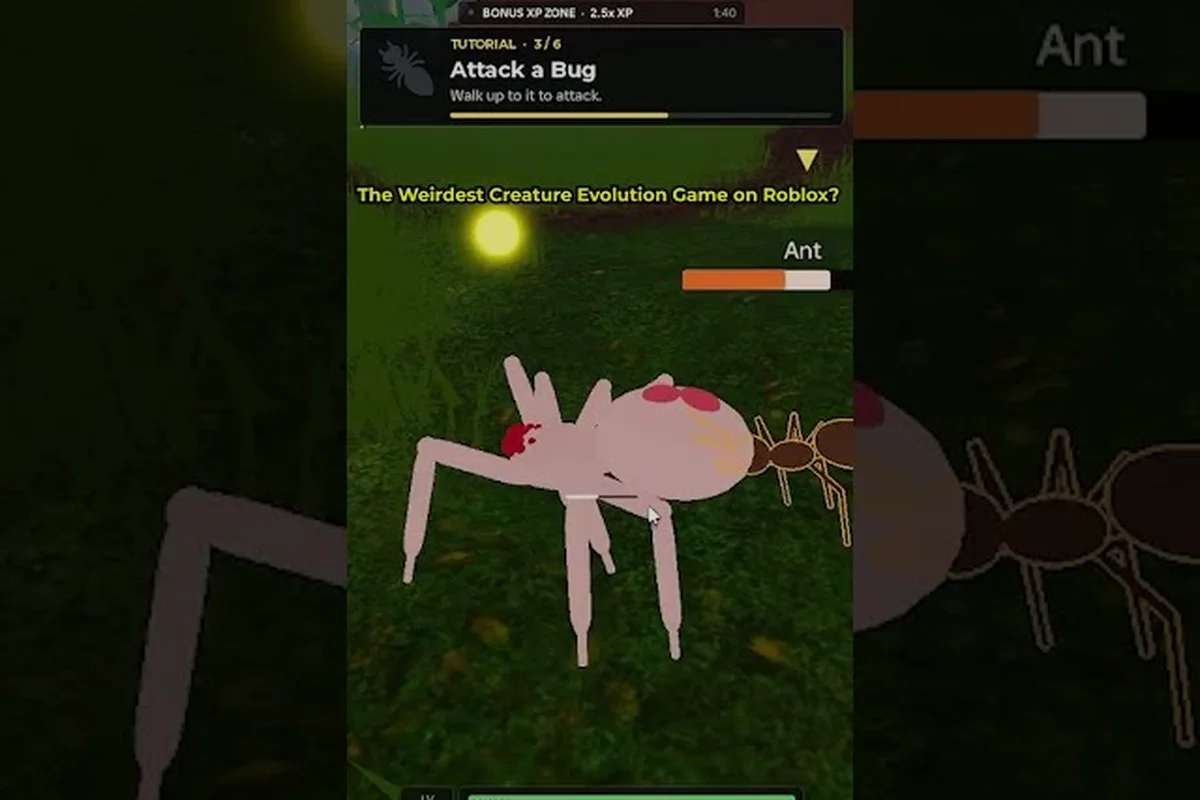
The Bug Tree is a vertical unlock screen divided into tiers T1 through T6. Nodes along the tree represent evolvable forms, and reaching the level noted on a node unlocks that form as your next evolution. The starter spider line occupies the lower tiers: the first major evolution arrives around LVL 10, and footage shows the line progressing through red-and-white and fluffier spider variants at higher levels. Around T3 the tree presents a named fork — Black Widow on one side and Locust on the other — and the tier path you take from there determines which deep forms remain available as the tree continues into the hidden T4-T6 range.
Advantages
Understanding evolution prevents wasted progress. Instead of taking random nodes, you can read the tier structure, check the level gates ahead, and plan a route that keeps your playstyle viable all the way to the deep tiers. Knowing the T3 fork exists lets you prepare coins and upgrades before the decision arrives. Following an optimal route also compounds: a faster early evolution unlocks bigger forms sooner, which unlocks faster food collection and stronger PvP presence, which feeds the next evolution — a virtuous cycle the tree rewards handsomely. All of this adds up to a straightforward edge: a player who plans the tree understands the leveling language the game uses, reads branch forks like a chess position and reaches the deep tiers with much less wasted growth.
Challenges
Evolution content carries more uncertainty than any other category because the tree's deepest tiers are literally hidden — the T4 to T6 nodes display as locked question marks. Exact unlock requirements for those forms are unknown, and no article can name a final species without inventing data. Level milestones like LVL 10 and LVL 20 are documented in gameplay footage and confirm public understanding of the spider line, but precise numerical gates for every node across every branch are still community-collected rather than official. The same honesty applies in the guide text itself: where the wiki only has footage or announcement evidence, it says so, which keeps every evolution claim auditable against the official page.
Frequently Asked Questions
How does evolution work in Bug Evolution?+
What are the T1 to T6 tiers on the Bug Tree?+
Which is the best evolution path?+
Should I evolve as soon as the tree opens a node?+
Quick Tips
Memorize the level gates. The pattern on the spider line — first evolution near LVL 10, deeper forms at the LVL 20 and LVL 30 milestones — repeats across the tree, so anticipating the next gate lets you farm coins and food in the right order. Before you click evolve, zoom the Bug Tree out and read the full path ahead — the gate you are about to pass changes what every later node costs you in levels and coins.
Read the branch preview before clicking. When a fork like Black Widow or Locust appears, compare both options' stat implications first. A tree that looks like a simple upgrade on screen is usually a real strategic decision for the rest of that run. Keep a personal log of the level milestones you hit. Footage confirms the spider line's big jumps around LVL 10, LVL 20 and LVL 30, so your own numbers can validate the community map of the tree.
Treat locked '???' nodes as unknown, not as a deadline. Deep-tree tiers are hidden by the game, so no guide can promise exact requirements for the final forms. Level toward them steadily, but do not re-roll your entire plan waiting for a reveal that has no confirmed date. Branch decisions are cheaper to defer than to undo: if you are torn between the Black Widow and Locust paths at T3, keep farming a little longer on the shared line and commit when one option clearly fits your upgrades.
Time evolutions around updates. The roadmap promises new insects with each patch, and updates can shift which branch feels best. If a big update day is near, consider banking progress at a branch point so your next evolution can take advantage of any rebalance. Time your evolutions near announced updates. If a patch is due within a session or two, a branch you were about to take may get rebalanced — holding progress at a fork is a legitimate strategy in a game that patches often.
Featured

Bug Evolution Bug Tree Guide: Branch Choices Explained
Navigate the Bug Evolution bug tree guide with clear branch choices, tier milestones, unlock requirements, and practical routes for reaching stronger insects.
Bug Evolution Evolution Guide: Upgrade Choices That Matter
Use the Bug Evolution evolution guide to plan stage goals, select bug tree branches, and prioritize upgrades for steady growth toward powerful forms.
Bug Evolution Evolution Path Guide: Every Milestone
Follow the Bug Evolution evolution path guide to understand level milestones, branch requirements, unlock conditions, and efficient routes through each stage.
All Articles
Bug Evolution Fastest Evolution: Best Path and Order
Find the Bug Evolution fastest evolution route by comparing paths, spider progression, upgrade timing, and effective evolution order.
Bug Evolution Next Evolution: Levels, Nodes, and Final Form
Find bug evolution next evolution with clear level requirements, bug tree node choices, and milestone tips for reaching the final form efficiently.
Bug Evolution T1 Evolutions: Requirements to Tier 6
Compare Bug Evolution T1 evolutions from T1 through Tier 6, including level goals, unlock conditions, branch options, and efficient progression choices.
Bug Evolution When to Evolve: Levels, Food, and Safety
Learn Bug Evolution when to evolve by checking level progress, available food, stamina, and nearby danger before selecting tarantula, locust, or black widow.