Bug evolution upgrade order matters because coins spent in the wrong sequence can slow progress toward each level milestone. Prioritize upgrades tied to Speed, Health, Bite Damage, Bite Speed, and Stamina based on your current Bug Tree form, then farm efficiently for the next unlock instead of spreading coins across every available stat. For example, a fragile insect form may need Health before pursuing deeper nodes, while a faster form can farm kills and food more safely; shift toward endgame goals once your insect can reliably reach the deepest available Bug Tree nodes.
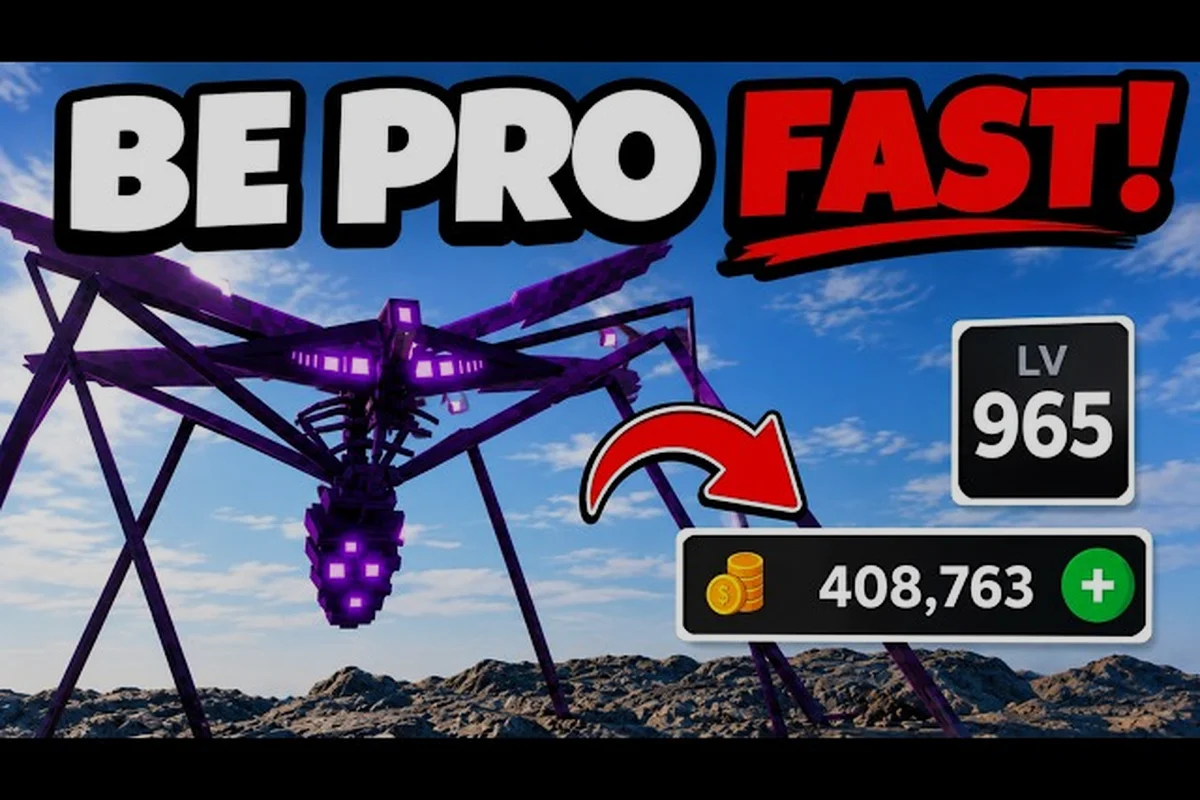
Bug Evolution is a new 2026 Roblox survival game by | Corgi Crew |. You begin as a tiny spider, eat food to gain levels, climb the Bug Tree, and unlock more than 30 insect forms, including flies, moths, tarantulas, black widows, and giant prehistoric creatures. The game also tracks five combat and movement stats: Speed, Health, Bite Damage, Bite Speed, and Stamina.
Because no official maximum level has been published, the best plan focuses on verified milestones and the deepest available Bug Tree nodes rather than inventing a level cap. The following upgrade order uses the mechanics players can observe: eating builds progress, kills and food produce coins, deaths waste time, and stronger upgrades reduce the time you remain exposed to danger.
Bug Evolution Upgrade Order from the First Level
A reliable bug evolution upgrade order begins with Bite Damage, followed by Bite Speed, Health, Stamina, and Speed. That sequence reflects a practical requirement: finish fights before larger insects can ambush you. Damage and bite speed reduce combat exposure, health protects you during mistakes, and the movement stats become more useful when you can survive long enough to farm them.
Opening Purchase Sequence
Your first priority should be immediate rather than a large, indiscriminate coin dump. Eat the closest small food after hatching, use it to gain early progress, and purchase the first Bite Damage level as soon as you can afford it. This creates a foundation for faster eliminations without requiring a complete stat build.
| Priority | Upgrade | Why it comes here | Best time to buy |
|---|---|---|---|
| 1 | Bite Damage | Shortens fights and reduces exposure | After the first coin batch |
| 2 | Bite Speed | Speeds repeated attacks and saves time | After the first Damage upgrade |
| 3 | Health | Adds protection against ambushes | Once basic fights are consistent |
| 4 | Stamina | Supports longer food routes and repeated attacks | After Health stabilizes survival |
| 5 | Speed | Improves movement and repositioning | When extra coins remain |
| 6 | Depth unlocks | Opens stronger forms on the Bug Tree | When a required node is affordable |
This is the practical core of bug evolution progression tips: buy the upgrade that removes your current bottleneck rather than spreading coins across every visible stat. Damage-first is especially useful because community experience indicates that faster kills create safer farming routes.
Offense Before Speed, in Order
Speed can help you reach food or escape, but it cannot finish an enemy before a larger insect arrives. Bite Damage attacks that larger problem directly. A player who can defeat a target in fewer bites spends less stamina, remains near fewer food sources, and returns to safe grass sooner.
Use a simple test during every fight. If you need several attempts to defeat a comparable insect, add Damage. If you win comfortably but spend too long committing to the target, add Bite Speed. If both are adequate but a mistake would cost the run, add Health. This diagnostic approach makes the order adapt to your coins instead of forcing a rigid early build.
Bug Evolution Level Milestones and Upgrade Goals
Level milestones shape the upgrade schedule because each level adds progress, unlocks Bug Tree options, and grants growth points. Observed interface examples include LV 1, LV 10, LV 20, and LV 30, while the tree displays tiers through T6. The game has not published a confirmed maximum level, so treat level 30 as a visible milestone rather than the finish line.
What to Do at Key Levels
| Milestone | Main objective | Upgrade goal | Progression decision |
|---|---|---|---|
| LV 1–9 | Eat small foods and survive early encounters | Reach Bite Damage level 1 | Do not delay the first combat upgrade |
| LV 10 | Reach the spider stage and inspect new tree nodes | Secure Bite Speed and basic Health | Choose between stronger combat and another unlock |
| LV 11–19 | Build a safer farming loop around dense food | Balance Damage, Speed, and Health | Save for a useful Bug Tree node |
| LV 20 | Reach a major interface milestone | Prepare for tougher nearby insects | Compare upgrade value against tree access |
| LV 21–29 | Push through deeper branches and rare food areas | Add Stamina or Health as needed | Avoid over-investing in one stat |
| LV 30+ | Contest the deepest unlocked nodes | Complete the strongest build that funds itself | Focus on the server’s rarest forms and crown |
These bug evolution level milestones are checkpoints for changing your priorities, not rigid permission to stop upgrading. The Bug Evolution leveling guide explains how eating and kills contribute to the level system in more detail.
Why the Spider Stage Matters
Community reports describe the LV 10 spider stage as the first major transformation point. Reaching it creates a noticeable combat and farming reset because the insect is larger, its options expand, and it can engage targets that were dangerous during the opening levels.
The best decision is not to spend every coin immediately. Instead, reserve enough for a meaningful Bug Tree node while keeping the combat build functional. A locked or unaffordable evolution creates a progression bottleneck; ignoring Health after several close encounters creates a survival bottleneck.
At each level milestone, pause before committing the full coin reserve and compare the available Bug Tree node with the next upgrade requirement. If the milestone unlocks a damage or Bite Speed node before the next evolution, take it only when the current target remains within safe farming range; otherwise, bank enough coin for the evolution and keep the build stable. This avoids both over-investing in a short-lived spike and falling short at the next LV 10 transformation.
-
Keep Damage and Bite Speed sufficient for the insects you already hunt.
-
Add Health or Stamina when fights require too much time or recovery.
-
Spend the remaining coin balance on the most useful unlocked Bug Tree node.
Applying this method at each Bug Tree milestone creates a repeatable decision process: compare the next LV 10 evolution cost with the value of the newly unlocked node, then preserve enough coin for the transformation. For example, if a damage node is available but the next evolution requires double the current reserve, prioritize the evolution threshold; if both are affordable, take the node that removes the current farming bottleneck without making the insect too fragile. This turns bug evolution progression tips into a consistent upgrade order rather than a list of vague priorities.
Bug Evolution Efficient Farming Routes
Efficient farming in Bug Evolution comes from combining steady food intake, safe positioning, and minimal death risk. Every food item converts into growth and coins, while successful hunts add more income. A player who dies loses valuable time, making a slightly safer route more productive even if it appears less aggressive.
Farm, Fight, and Banking Cycle
The strongest early pattern is a simple patrol loop through grassy open areas and fields. Eat small foods while moving, attack only targets that do not create a prolonged chase, and bank purchases before taking unnecessary risks. Since coins are the only player-controlled currency shown in the HUD, every upgrade must ultimately be financed through this food-to-coin loop.
| Farming stage | Main action | Upgrade rule | Risk control |
|---|---|---|---|
| Opening | Eat the closest small foods | Save for Bite Damage level 1 | Avoid long-distance travel |
| Early game | Rotate between open fields and safe patches | Alternate Damage and Bite Speed | Do not overextend for one item |
| Mid game | Hunt when targets are manageable | Add Health when fights become close | Leave before stamina drops |
| Late game | Claim dense food zones | Add Stamina, then Speed if useful | Let stronger allies draw danger |
| Endgame | Farm while contesting rare nodes | Keep the combat core balanced | Preserve a retreat route |
Community experience supports one practical rule for bug evolution efficient farming: eat near dense spawns instead of crossing the map for isolated food. If one player clears a food pocket while teammates cover the approach, the group can convert the area into coins with less downtime.
Groups Versus Playing Alone
Team play can increase farming efficiency because one player can focus on collecting food while another watches for approaching insects. However, cooperation should not become reckless. Two players pursuing the same target can produce more coins, but they may also draw a stronger insect toward the group.
Solo players should favor visible grass fields, short routes between food clusters, and fights that end in one or two bites. A route that looks short on the map can still be poor if it repeatedly passes through a dangerous insect’s territory. The Bug Evolution how-to-get-rich guide expands on coin income and faster accumulation methods.
When to Farm Instead of Upgrade Spending
Keep a small reserve instead of spending every coin immediately. A reserve protects against two common failures: losing progress after a death and lacking enough money for an evolution node when one becomes available. If you are close to a meaningful Bug Tree threshold, pause routine purchases until you can cross it.
For players with surplus coins, buy upgrades that improve the return rate of the route. If fights consume most of your stamina, Damage or Bite Speed may create more value than Speed. If food gathering consumes the stamina bar, invest in Stamina before adding more movement. This return-on-investment view keeps bug evolution efficient farming tied to a measurable outcome.
Bug Evolution Upgrade Priorities by Situation
The best order changes with your stage, survival pressure, and Bug Tree position. A priority list becomes unreliable when it ignores whether you can actually survive the next fight or afford the next evolution. Use the table below to identify the right immediate objective, then return to the standard order after the problem is solved.
Diagnose Your Current Bottleneck
| Situation | Main bottleneck | Best upgrade | Secondary purchase |
|---|---|---|---|
| Fights take too long | Low damage | Bite Damage | Bite Speed |
| Wins feel abrupt but targets escape | Low attack frequency | Bite Speed | Damage |
| One mistake causes elimination | Low health pool | Health | Stamina |
| Food routes end before the next cluster | Low stamina | Stamina | Speed |
| Strong insects can catch the player | Weak movement | Speed | Health |
| Evolution cannot be purchased | Missing tree funds | Save coins | Upgrade only when essential |
| Coins remain after all needs are covered | Excess resources | Highest-tier reachable node | Flexible stat upgrades |
This diagnostic table turns the bug evolution upgrade order into a practical decision process rather than a list of largest upgrades. For example, if targets escape because attacks land too infrequently, prioritize Bite Speed before Damage, because more hits can prevent enemies from reaching the next food cluster. Conversely, when fights are lasting too long, increasing Bite Damage reduces the number of engagements and makes Bite Speed a better secondary purchase. The correct sequence changes with the bottleneck: fix survivability with Health or Stamina when one mistake causes elimination, and delay flexible stat upgrades until essential tree funds are secured.
A Conservative Player’s Build
A conservative build prioritizes Health, then Bite Damage, then Bite Speed. It costs more coins early, but it reduces the chance that a single ambush resets your run. This works well for players who explore beyond dense starting areas or play in crowded servers where opponents may contest food routes.
The build has one drawback: extra defense can make progression slower if you spend too long gathering coins. Once the player can consistently bank a meaningful amount, shift some spending toward Bite Speed or Stamina so the route becomes more productive rather than merely safer.
An Aggressive Player’s Build
An aggressive build prioritizes Bite Damage, Bite Speed, and then Speed. It can clear targets faster and create more coins per encounter, but it leaves less margin for mistakes. That makes additional Health important after the first few successful fights rather than at the very end.
Aggression is useful when the player can identify safe hunting zones and retreat immediately after eating. It is less effective when movement, stamina, or visibility is limited. For mobile play, the Bug Evolution mobile controls guide is useful for understanding the menu and HUD layout before committing to an aggressive route.
Bug Evolution Endgame Goals and Max-Level Preparation
Late-game goals center on the deepest Bug Tree tiers, the rarest spiders, and the King of the Server crown. No published maximum level exists, so bug evolution reaching max level remains an active progression goal rather than a confirmed number. The safest strategy is to prepare for whatever level the current build can sustain and keep expanding the Bug Tree whenever a stronger node becomes available.
Defining the Endgame Milestone
For this guide, “endgame” begins when you can reliably fund upgrades, reach the deepest nodes you can afford, and contest stronger insects without losing most of your session to combat. Reaching LV 30 alone does not prove maximum progression because further levels may become available through updates or continued play.
| Endgame signal | What it indicates | Recommended action |
|---|---|---|
| Deep Bug Tree branch opened | A stronger insect is accessible | Review the next node and its coin cost |
| LV 30 displayed | A major level milestone is reached | Improve the build without delaying essential purchases |
| Rare spider collected | Roster breadth is expanding | Continue farming toward deeper nodes |
| Crown achieved | Server leadership is possible | Protect the session while contesting food |
| Upgrade costs exceed farm income | The build no longer scales efficiently | Compare tree access with stat returns |
Players discussing endgame often make the mistake of naming an unverified level cap or uncertain late-game species. Community data supports the tier structure through T6 and the visible LV 30 milestone, while exact top-tier names remain uncertain. A fact-based plan stays flexible as the game updates.
Preparing Before a Major Unlock
When a deeper node is nearly affordable, preserve a coin reserve and keep the combat core functional. You do not need a perfectly balanced build, but you need enough Damage, Bite Speed, and Health to survive the transition area. The Bug Evolution evolution path guide can help map the available branches and requirements.
A practical pre-unlock routine is to bank enough coins for the next Bug Evolution before spending on temporary upgrades, because switching forms can briefly expose you to higher-level competitors. Use the next evolution node’s exact coin cost as your reserve target, then compare the required level with your current level milestones; if the gap is too large, farm near the safest food cluster instead. This keeps the upgrade order focused on reaching the next tier without weakening Damage, Bite Speed, or Health through rushed purchases.
-
Eat near the current safe zone until the coin reserve reaches the target.
-
Upgrade only when the current build has a clear weakness.
-
Test one manageable fight after every significant purchase.
-
Travel to the new node while its cost remains covered.
-
Return to the safest food cluster if the new form attracts stronger competition.
Reaching Max Level Without Wasting Coins
Because the maximum level is unpublished, plan around sustainable milestones instead of a single final purchase. Upgrade in categories: combat power, survival, mobility, and Bug Tree access. Stop buying a stat only when it no longer solves a visible problem, and redirect that coin toward the next branch or a deeper tier.
This approach makes bug evolution reaching max level realistic for long-term players. It also preserves flexibility if a patch changes upgrade costs, adds new tiers, or changes the tree layout. Progress remains meaningful because each purchase should improve either your survival window or your ability to earn the next milestone.
Bug Evolution Upgrade Order Checklist
Use this checklist after each major purchase or level milestone in the Bug Evolution upgrade order. Review your coin balance, current insect target, and latest combat failure before spending, because an expensive Damage upgrade may be wasted if Stamina is the real bottleneck. For example, if repeated deaths occur while traveling between food sources, improve Stamina first rather than adding Bite Damage that never gets used. This keeps each purchase tied to a measurable progression problem while preserving coins for later Speed or Bug Tree investments.
-
Confirm that Damage remains sufficient for the insects you hunt.
-
Add Bite Speed when fights are won but take too long.
-
Add Health after close encounters, not only after elimination.
-
Add Stamina when food routes repeatedly end early.
-
Add Speed when positioning, not damage, causes failure.
-
Save coins when a meaningful Bug Tree node is within reach.
-
Avoid spending Robux under the mistaken belief that Robux can buy normal upgrades; coins and Robux are separate currencies.
-
Return to the core order after one urgent bottleneck has been corrected.
The final takeaway is straightforward: use Bite Damage and Bite Speed to secure safer farming, add Health and Stamina for reliability, then invest remaining coins in Speed or the deepest reachable Bug Tree node. Revisit that order whenever a level milestone, death, or new combat problem changes your needs.
Frequently Asked Questions
What is the best bug evolution upgrade order for new players?
The best starting order is Bite Damage, Bite Speed, Health, Stamina, and Speed. Damage reduces fight length, Bite Speed completes encounters faster, and Health protects against ambushes. Keep a coin reserve for a useful Bug Tree node so combat upgrades do not prevent a major evolution.
Should I spend coins on upgrades or unlock new insects?
Spend only what is needed to survive, then save for a meaningful Bug Tree node. If you lack coins for the node, add Damage or Health when current fights are risky. If you already survive comfortably, bank coins until the evolution becomes affordable rather than spreading them across every stat.
What levels should Bug Evolution players focus on?
Treat LV 10, LV 20, and LV 30 as visible milestones where your priorities can change. At each checkpoint, review combat strength, survival, food-route stamina, and the next Bug Tree branch. No official maximum level has been published, so continue progressing toward deeper available nodes rather than treating LV 30 as the cap.
Is efficient farming better than fighting for coins in Bug Evolution?
Early and mid-game farming usually produces steadier income because food converts directly into growth and coins. Fighting is best when targets are manageable and can be finished quickly. Avoid long chases, collect from dense spawns, and use teammates to cover risky approaches when the server becomes crowded.
Can Speed be the first upgrade in Bug Evolution?
Speed can help with positioning, but it is usually a weak first purchase because stronger insects may still interrupt a fight. Prioritize Damage and Bite Speed, then add Health if one mistake causes elimination. Buy Speed when movement is clearly the problem or when you have surplus coins after securing your core build.